Environmental Monitoring Satellite IoT Solutions
Environmental change often needs to be monitored in the places that are hardest to connect. When terrestrial networks are limited or unavailable, important sensor data can be slower to reach the teams responsible for protecting those environments.
ECS connects remote monitoring equipment via satellite IoT, helping teams build a more continuous picture of changing environmental conditions.
From wildfire-risk sensors in hard-to-reach forests to water and habitat monitoring in protected landscapes, ECS satellite IoT helps bring environmental data back from places where traditional connectivity cannot be relied on.
Satellite IoT built for remote environmental monitoring
Environmental monitoring often requires sensors to operate for long periods in locations with limited terrestrial connectivity. Building dedicated communications infrastructure at each site can make these deployments more complex and costly.
ECS combines satellite connectivity with the established LoRaWAN® sensor ecosystem, using a single relay to connect multiple nearby compatible sensors through the ECS network. Real-time, bidirectional communication keeps data flowing to and from remote sites, while low-power devices and battery- or solar-powered relay options support long-term monitoring.
Simple to deploy
Extend compatible LoRaWAN®-based monitoring solutions without adding satellite connectivity to every sensor.

Cost-effective by design
Use widely available, low-cost IoT sensors with satellite connectivity provided through the ECS relay.

Managed end to end
ECS handles the satellite network, provisioning, and secure data connection, reducing the infrastructure solution providers need to build and manage themselves.
Challenges for Environmental Monitoring
Environmental conditions can change between site visits, while emerging risks may require attention much sooner. Continuous access to sensor data can help monitoring teams spot changes earlier and focus resources where closer investigation is needed.
Monitor conditions for wildfires in remote areas.
The Challenge
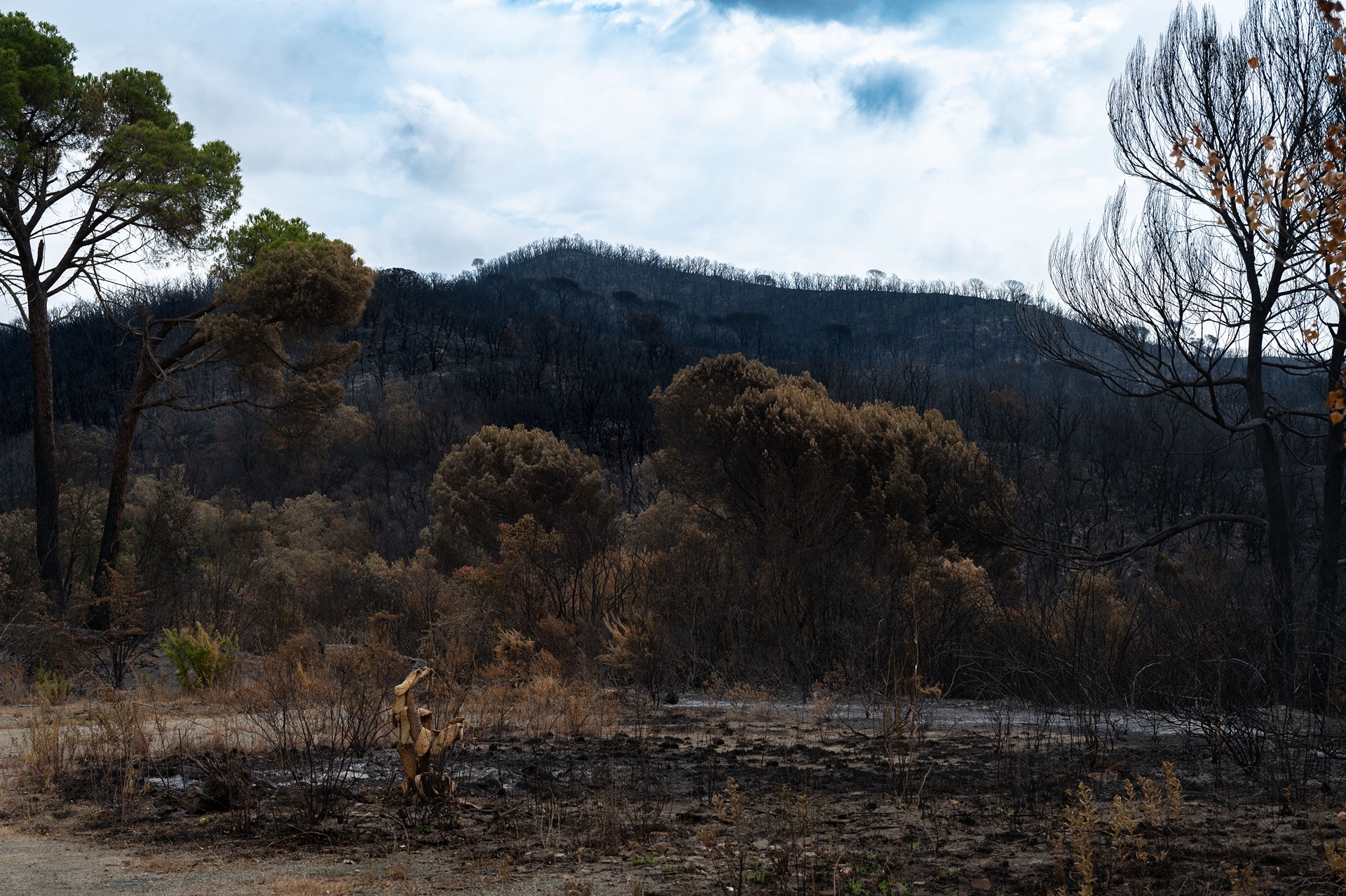
Wildfire risk can build in remote forests and conservation areas before there are visible signs of an active fire.
The Solution:
ECS can connect sensors monitoring local conditions associated with fire risk, helping teams identify changes that may require closer attention.
Develop a long-term understanding of habitat change.
The Challenge
Conservation teams may need to understand how habitat conditions are changing across remote protected areas without relying on frequent field visits.
The Solution:
ECS can connect fixed sensors monitoring factors such as temperature, humidity or water conditions, helping teams build a more consistent picture of habitat change over time.
React sooner to rising water levels.
The Challenge
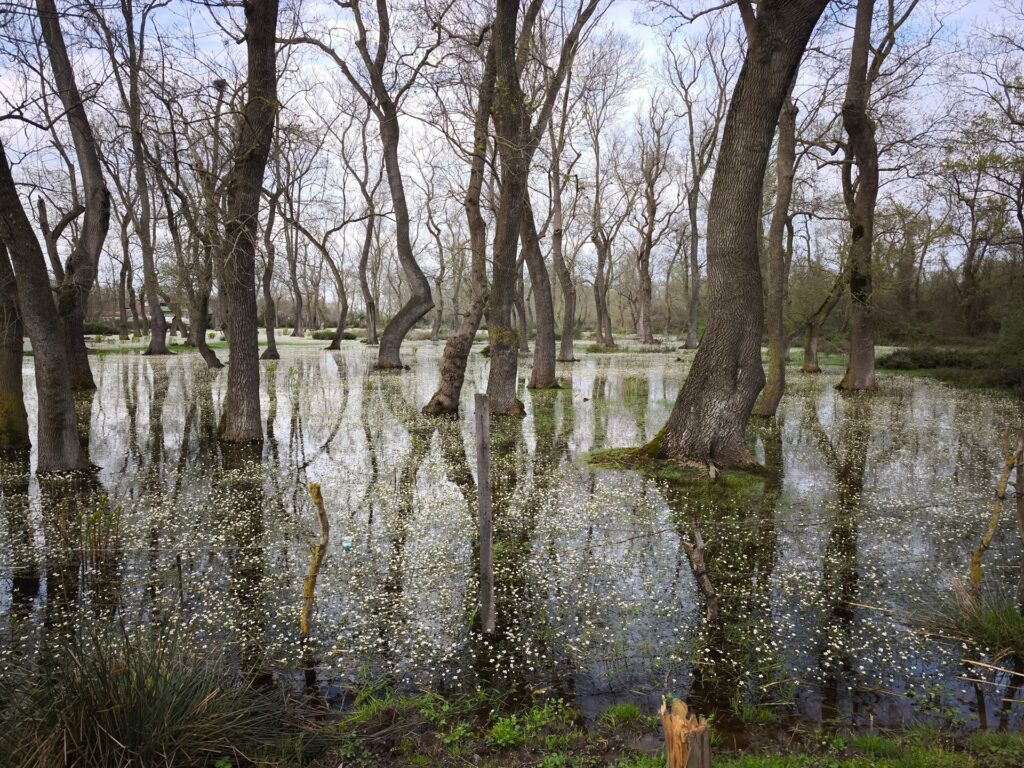
Water levels can rise quickly in remote or flood-prone areas where regular manual checks are difficult.
The Solution:
ECS can connect water-level sensors beyond reliable terrestrial coverage, helping monitoring teams spot rising levels sooner and support earlier response.
Frequently Asked Questions
What environmental conditions can satellite IoT help monitor?
IoT sensors can connect to satellite to support monitoring of conditions, such as temperature, humidity, water levels, and other environmental indicators. The exact parameters will depend on the sensors and monitoring application.
Can satellite IoT support wildfire monitoring?
Yes. ECS connectivity can support remote sensor networks used to monitor environmental conditions associated with wildfire risk. The monitoring solution and detection methodology will depend on the sensors and application used.
Can ECS support wildlife and conservation projects?
Yes. ECS satellite IoT can connect fixed sensors and monitoring equipment used across remote conservation environments, including habitat monitoring and other field-based data collection applications.
Can ECS support other natural-hazard monitoring?
Satellite IoT can provide connectivity for sensors monitoring environmental changes such as water levels or ground movement in locations where reliable terrestrial coverage is limited or unavailable.
Do I need satellite hardware at every monitoring point?
Not necessarily. Multiple compatible LoRaWAN® sensors within a monitoring site can connect through a single ECS relay, reducing the need for satellite hardware at every sensor location.
Can ECS connect existing LoRaWAN® environmental sensors?
ECS can support existing LoRaWAN® devices through its satellite relay, helping extend established environmental monitoring networks into areas beyond reliable terrestrial coverage. Compatibility will depend on the device and deployment requirements.
Is the service suitable for long-term remote deployments?
Yes. ECS satellite IoT is designed for low-power applications, and the relay can operate using battery or solar power. This supports long-term monitoring in remote locations, although actual operating life will depend on the equipment, configuration, and environmental conditions.
How is the data kept secure?
ECS manages network security and encryption across its satellite IoT service, with secure data handling built into the wider network platform.
Do I work with ECS directly or through a solution provider?
ECS provides the satellite IoT connectivity and network platform used by IoT solution providers to build environmental monitoring solutions for their customers. Contact us to discuss the right route for your deployment.